
Best Affordable Cities to Buy a Home in 2026 with Strong Jobs and Great Quality of Life
- Jackie Hauer

- 1 day ago
- 5 min read
Homebuyers in 2026 face a hard mix: high rates, limited inventory, and rising insurance costs in many markets. The best move is to look beyond the usual coastal metros. Several U.S. cities still offer reasonable home prices, steady jobs, and a strong day-to-day lifestyle.
The price ranges below are broad estimates based on recent market patterns. Local prices can shift by neighborhood, property type, and loan terms.

What makes a city worth watching in 2026
Affordability is more than a low purchase price. A cheap house in a weak job market can become expensive fast. A stronger city gives buyers more room to hold, improve, or sell later.
The best affordable markets tend to share four traits:
Average home prices below many national metro averages
Stable job growth in health care, education, manufacturing, logistics, tech, or government
Good quality of life, including parks, schools, commute times, and safety trends
Useful amenities, such as airports, food scenes, trails, sports, and cultural attractions
For investors, the same basics matter. A city with jobs, schools, hospitals, and transportation often has steadier rental demand. That does not remove risk, but it gives the market a better base.
Six affordable cities deserve a closer look
City | Typical home price range | Job market strengths | Quality of life and attractions |
Pittsburgh, Pennsylvania | About $200,000 to $300,000 | Health care, robotics, education, finance | Museums, rivers, sports, universities, walkable neighborhoods |
Cleveland, Ohio | About $175,000 to $275,000 | Health care, manufacturing, logistics, education | Lake Erie, arts, food, major medical centers, parks |
Indianapolis, Indiana | About $250,000 to $350,000 | Logistics, life sciences, manufacturing, sports business | Trails, downtown events, airport access, lower living costs |
Kansas City, Missouri | About $275,000 to $375,000 | Health care, engineering, logistics, tech services | Barbecue, music, sports, parks, central U.S. location |
Oklahoma City, Oklahoma | About $225,000 to $325,000 | Energy, aviation, health care, government | Riverfront projects, museums, easy commutes, lower taxes |
San Antonio, Texas | About $275,000 to $375,000 | Military, health care, tourism, cybersecurity | River Walk, history, food, family attractions, no state income tax |
These are not the only good choices. They are strong examples of cities where buyers can still find value without giving up job access or amenities.
Pittsburgh offers value with strong institutions
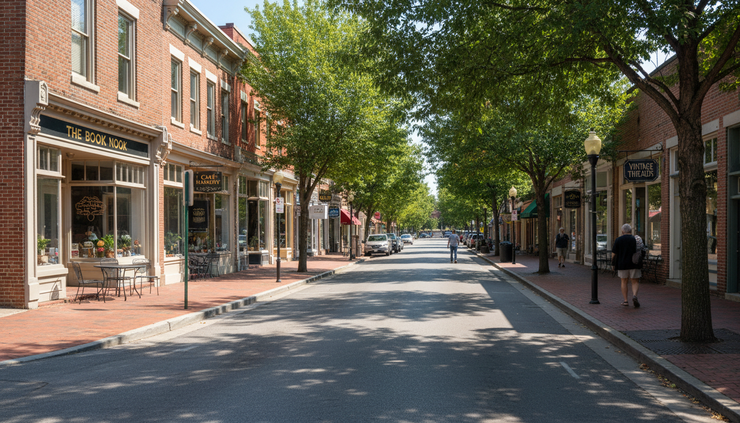
Pittsburgh remains one of the strongest value plays in the Northeast and Midwest. Home prices are often far below those in major East Coast metros. Buyers can find older row houses, brick homes, and renovated properties across a wide range of neighborhoods.
The job market is not built on one industry anymore. Health care, universities, finance, robotics, and research all play a role. That matters for long-term stability.
Quality of life is a major draw. The city has parks, rivers, pro sports, strong cultural institutions, and respected universities. Some housing stock is old, so inspections matter. Still, Pittsburgh gives buyers a rare mix of price, jobs, and character.
Cleveland gives buyers a low entry point
Cleveland often ranks among the more affordable large metros in the country. Many homes trade at prices that are hard to find in other cities with major hospitals, universities, and cultural assets.
The Cleveland Clinic and other medical employers support a major health care economy. Manufacturing, logistics, and education also help keep the job base broad.
The city also has more lifestyle appeal than many outsiders expect. Lake Erie, the Metroparks system, museums, music venues, and food neighborhoods give residents plenty to do. Investors should study block-by-block demand. For owner-occupants, Cleveland can offer a low payment and access to major-city amenities.
Indianapolis balances price, jobs, and space
Indianapolis is a practical market for buyers who want more space at a moderate price. It has a solid base in logistics, life sciences, manufacturing, health care, and amateur sports.
The city’s location helps. It sits within a day’s drive of many major Midwest and Southern markets. The airport is easy to use. Commutes are often more manageable than in larger metros.
Lifestyle is also improving. The Monon Trail, downtown sports venues, local restaurants, and expanding suburbs give buyers choices. Some areas are more car-dependent, so location matters. Homes near trails, schools, and job centers may hold demand better.

Kansas City has culture and steady demand
Kansas City offers a good blend of affordability and livability. Prices have risen in popular neighborhoods, but the metro still looks reasonable compared with many large U.S. cities.
The job market includes health care, engineering, logistics, tech services, and government-related work. Its central location supports shipping and distribution.
The city has strong local identity. Barbecue, jazz, sports, museums, and parks help attract residents. Buyers should compare both Missouri and Kansas sides of the metro. Taxes, schools, and commute patterns can vary.
Oklahoma City keeps costs manageable
Oklahoma City is one of the more affordable large metros with room to grow. Home prices remain accessible for many first-time buyers compared with faster-growing Sun Belt cities.
The economy has long ties to energy, but it also includes aviation, health care, government, and logistics. That helps reduce dependence on one sector.
Daily life is a key selling point. Commutes are often shorter. Housing lots can be larger. The city has invested in riverfront areas, parks, and downtown attractions. Weather risk, including storms, should factor into insurance and maintenance budgets.
San Antonio offers Sun Belt access at a lower cost
San Antonio is not as cheap as it once was, but it remains more affordable than Austin and many other fast-growing Sun Belt markets. Buyers get access to a large metro with strong population demand.
The job base includes military, health care, tourism, cybersecurity, and education. The city also benefits from Texas’ broader business growth.
Quality of life is strong for many buyers. The River Walk, historic missions, food, festivals, and family attractions add appeal. Heat, property taxes, and insurance costs deserve close review. Still, San Antonio remains a strong option for buyers who want Texas growth without Austin-level prices.
How to compare affordable cities before buying
Do not choose a city on price alone. A low payment helps, but the neighborhood, property condition, and local demand matter more over time.
Focus on these checks before making an offer:
Compare the monthly payment, not just the sale price
Review local job growth by industry
Look at school zones, commute routes, and crime trends
Check insurance, taxes, HOA fees, and utility costs
Visit at different times of day
Study rental rules if buying as an investor
This content is for general information only. It is not financial advice. Speak with a qualified real estate, mortgage, or tax professional before making a purchase decision.

Ready to compare homes, neighborhoods, and next steps for a 2026 move? Talk with Our Next Move for practical guidance.
FAQ
Which affordable city is best for first-time buyers in 2026?
Indianapolis, Cleveland, and Oklahoma City are strong starting points. They often offer lower home prices, varied housing stock, and major employers.
Which city has the strongest job outlook?
Pittsburgh and Kansas City stand out for broad job bases. Both have health care, education, tech-related roles, and logistics or engineering strength.
Are affordable cities good for investors?
They can be. Focus on job centers, rent demand, property taxes, and local rental rules. A cheap home is not a good investment if demand is weak.
Should buyers wait for lower mortgage rates?
Waiting can help if rates fall, but prices may rise in desirable areas. The better move is to compare the full monthly cost and buy when the numbers work.
The main takeaway
The best affordable cities to buy a home in 2026 are not just cheap. They have jobs, amenities, and reasons people want to stay. Pittsburgh, Cleveland, Indianapolis, Kansas City, Oklahoma City, and San Antonio all offer a strong mix of value and livability. Start with the city, then narrow down to the right neighborhood and the right monthly payment.


Comments