
Urban Living vs. Suburban Living


One of the biggest decisions homebuyers face is choosing between urban and suburban living. Both offer unique advantages and challenges, and the right choice depends on your lifestyle, career, family needs, and long-term goals.
Understanding the differences can help you find a location that best supports the way you want to live.
What Is Urban Living?
Urban living typically refers to residing in a city center or densely populated area where homes, businesses, restaurants, entertainment, and public transportation are located close together.
Common urban housing options include:
Apartments
Condominiums
Lofts
Townhomes
High-rise residences
Urban environments are designed for convenience and accessibility.
What Is Suburban Living?
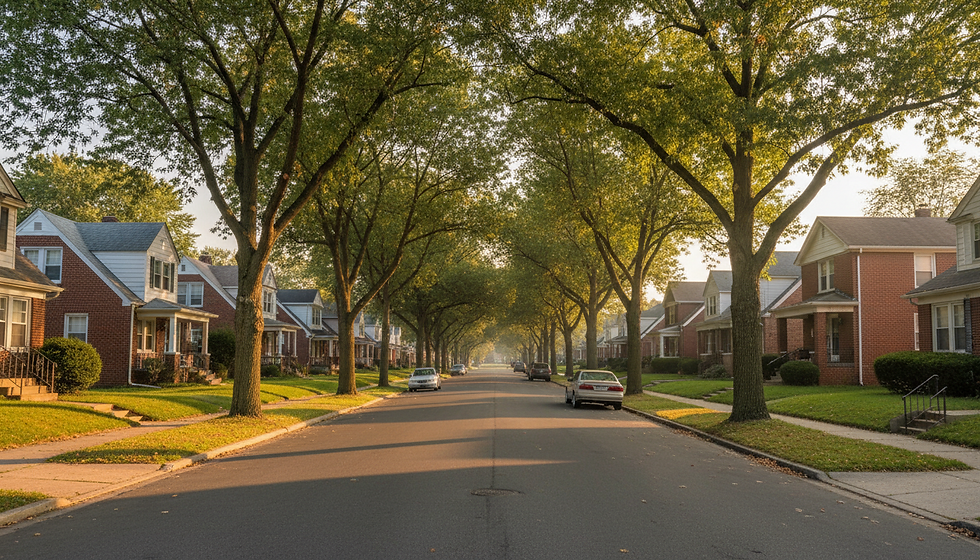
Suburban living takes place in residential communities located outside major city centers.
Suburban neighborhoods often feature:
Single-family homes
Larger yards
Lower-density development
Community parks
Local schools
These areas generally offer more space and a quieter environment.
Cost of Living
Urban Living
Urban areas often come with:
Higher housing costs
More expensive parking
Higher property taxes in some markets
Increased entertainment and dining expenses
However, residents may save money on transportation due to walkability and public transit access.
Suburban Living
Suburban communities often provide:
More house for the money
Larger lots
Lower housing costs in many regions
However, transportation expenses may increase due to longer commutes and greater reliance on personal vehicles.
Space and Housing Options
Urban Living
Advantages include:
Proximity to amenities
Low-maintenance housing
Modern condominium amenities
Challenges include:
Smaller living spaces
Limited outdoor areas
Shared walls and common spaces
Suburban Living
Advantages include:
Larger homes
Private yards
More storage
Additional bedrooms and living areas
Many families prefer suburbs because of the extra space.
Commute and Transportation
Urban Living
Urban residents often enjoy:
Walkability
Public transportation
Shorter commutes
Bike-friendly infrastructure
Many daily activities can be completed without a car.
Suburban Living
Suburban residents frequently depend on:
Personal vehicles
Longer commute times
Highway access
However, remote work has reduced commuting concerns for many households.
Lifestyle and Entertainment
Urban Living
City residents benefit from:
Restaurants and cafés
Nightlife
Museums
Theaters
Sporting events
Cultural attractions
Entertainment options are often just minutes away.
Suburban Living
Suburban lifestyles tend to emphasize:
Community activities
Outdoor recreation
Local events
Family-oriented environments
Many residents appreciate the slower pace of life.
Schools and Family Considerations
For families with children, schools often play a major role in location decisions.
Urban Areas
Benefits:
Specialized schools
Diverse educational options
Challenges:
More competition for top schools
Smaller residential spaces
Suburban Areas
Benefits:
Larger school campuses
Family-focused communities
More outdoor play areas
Many suburban neighborhoods are specifically designed with families in mind.
Safety and Privacy
Urban Living
Urban environments typically offer:
Increased activity
Greater accessibility
More public presence
However, privacy can be limited due to population density.
Suburban Living
Suburban communities often provide:
Greater privacy
Less congestion
Larger property setbacks
Quieter neighborhoods
These features appeal to homeowners seeking a more relaxed environment.
Health and Wellness
Urban Living
Health benefits may include:
More walking
Easier access to fitness facilities
Reduced car dependence
Suburban Living
Health benefits may include:
Access to parks
Larger outdoor spaces
Lower noise levels
Backyard recreation
Both environments can support healthy lifestyles in different ways.
Property Value and Investment Potential
Urban Properties
Often benefit from:
Strong rental demand
Central locations
Employment proximity
Suburban Properties
Often benefit from:
Larger lot sizes
Family demand
Long-term ownership stability
Market conditions can influence which performs better over time.
Who Prefers Urban Living?
Urban living may be ideal for:
Young professionals
Frequent travelers
Empty nesters
Individuals who enjoy nightlife and cultural activities
These buyers often prioritize convenience and accessibility.
Who Prefers Suburban Living?
Suburban living may be ideal for:
Families with children
Remote workers
Pet owners
Buyers seeking larger homes and outdoor space
These buyers often prioritize comfort, privacy, and room to grow.
Final Thoughts
Neither urban nor suburban living is universally better—the best choice depends on your personal priorities. Urban living offers convenience, walkability, and access to entertainment, while suburban living provides space, privacy, and a family-oriented atmosphere.
Before making a decision, consider your budget, commute, lifestyle preferences, and future plans. The right location should not only meet your current needs but also support the life you want to build in the years ahead. 🏙️🏡✨


Comments